

“I’ve tried so many things, and nothing seems to work. I’m so frustrated.”
We hear this all the time from women who are eating less, exercising more and working harder than ever to manage their weight.
And one of the first things I want them to understand is this:
The answer isn’t necessarily to work harder.
Around age 40 or after, a number of things can change. Hormones, muscle mass, sleep, thyroid function, blood sugar regulation, medications, stress, nutrition and other health factors can all potentially affect weight and body composition.
Perimenopause and menopause may be part of the picture, but they aren’t the only things worth considering.
Instead of assuming you simply need to eat less or exercise more, it may be time to ask a better question:
What’s making weight loss harder for you?
What Changes Around or After 40?
There usually isn’t one single explanation for why maintaining or losing weight becomes more difficult in midlife.
Aging itself can contribute to weight gain. At the same time, women may experience changes in muscle mass, activity, sleep and metabolic health.
For women, there’s another major transition occurring during these years: perimenopause and menopause.
Research suggests that while aging contributes significantly to midlife weight gain, the menopause transition itself is associated with changes in body composition and fat distribution. Women may experience an increase in fat mass, a decrease in lean mass and a tendency to accumulate more fat around the abdomen.
But that still doesn’t tell us what is happening with one individual woman.
That’s why we want to look at the bigger picture.
Why Eating Less and Exercising More Isn’t Always the Answer
One of the patterns we see at Yost Wellness Center is a woman who has responded to unexplained weight gain or difficulty losing weight by doing more of everything.
She cuts calories again.
She adds another workout.
She becomes even more restrictive with food.
And when the scale still doesn’t respond the way she expects, she assumes she’s doing something wrong.
Working harder isn’t always what your body needs.
If you’re already eating appropriately and exercising consistently, continually cutting calories and increasing exercise without understanding the bigger picture may not be the best next step.
This is where we want to stop guessing.
Could Hormonal Changes Be Making Weight Loss Harder?
For women in their 40s and 50s (sometimes late 30s), perimenopause and menopause are important parts of the conversation.
Estrogen and progesterone fluctuate significantly during the perimenopausal transition. Women may also begin experiencing changes in their menstrual cycles, sleep, mood, concentration and other symptoms.
Research also suggests that the menopause transition is associated with changes in body composition and a greater tendency toward abdominal fat accumulation.
Hormones matter.
But we don’t want to make the opposite mistake and assume that every pound gained after 40 must be caused by estrogen or progesterone. Hormone imbalance may be one piece of the puzzle—not the entire puzzle.
I Went Through This Too
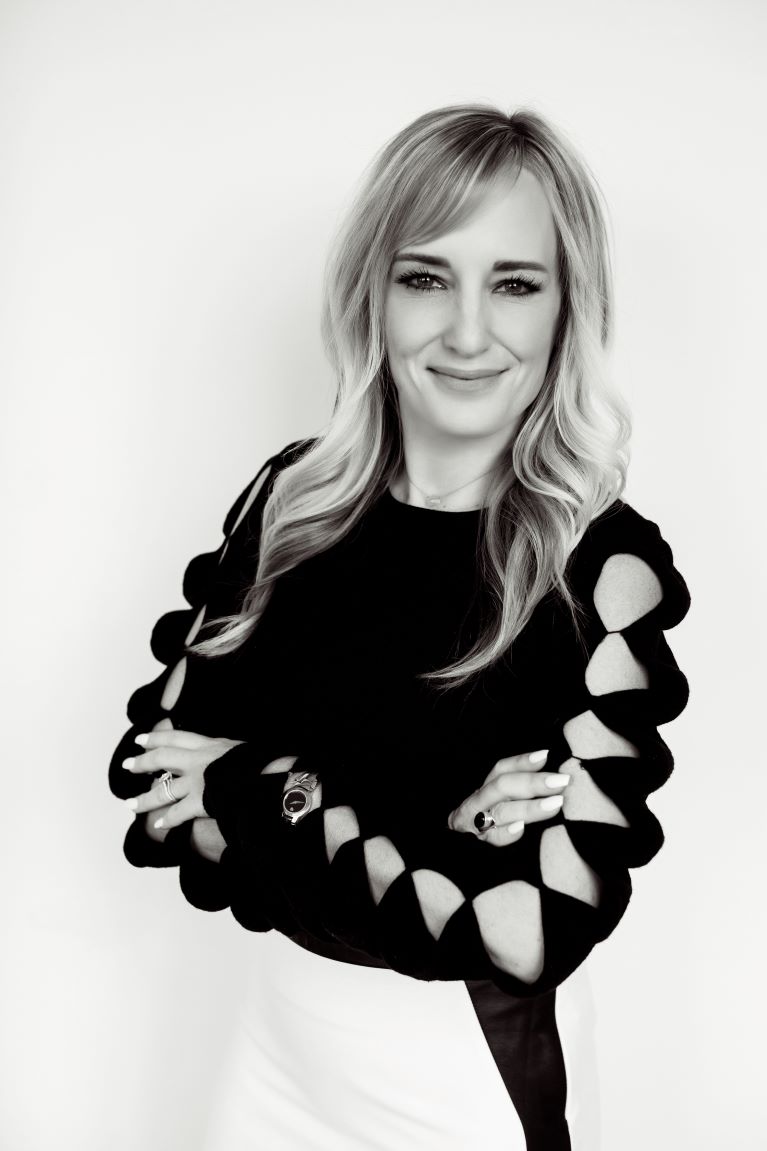
This subject is personal to me because I experienced unexpected weight changes when I entered perimenopause as well.
It was confusing.
I was already someone who exercised, paid attention to nutrition and cared deeply about my health. When my body started responding differently, I found myself asking the same question I hear from women every day:
What am I doing wrong?
But that’s exactly the mindset I want women to get away from.
Your body changing doesn’t automatically mean you’ve stopped trying hard enough.
Sometimes it means something has changed—and it’s worth understanding what that is.
Could Blood Sugar and Metabolic Health Be Involved?
Metabolic health is another part of the picture worth considering.
Research examining the menopause transition has found changes in several cardiometabolic factors alongside changes in body composition.
That doesn’t mean every woman who struggles with weight after 40 has insulin resistance or prediabetes.
It means we shouldn’t automatically assume it—or ignore it.
Depending on a woman’s symptoms, history and risk factors, evaluation of blood sugar and other metabolic markers may be appropriate.
The goal isn’t to decide beforehand that insulin is the problem.
It’s to determine whether metabolic health is relevant in your particular case.
What About Your Thyroid?
Thyroid dysfunction can cause symptoms that overlap considerably with complaints women experience during midlife.
Hypothyroidism can include symptoms such as fatigue, weight gain, constipation and dry or thinning hair.
That overlap can make things confusing.
If a woman is struggling with unexplained weight gain or difficulty losing weight—especially when other symptoms are present—we don’t want to automatically assume it’s “just menopause” or simply part of getting older.
Depending on her symptoms and medical history, thyroid evaluation may be appropriate.
Sleep Matters More Than Most Women Realize
Sleep can become challenging during midlife, and perimenopause can make it even more difficult.
Hot flashes, night sweats and other symptoms can interfere with falling asleep or staying asleep.
And poor sleep doesn’t exist in a vacuum.
Research has linked inadequate sleep with changes in appetite and food intake as well as reduced insulin sensitivity.
If you’re exhausted every day, simply telling you to exercise harder and eat less misses an important part of the picture.
Sometimes improving health means looking upstream at why you’re not sleeping well in the first place.
Muscle Becomes Increasingly Important
The conversation about weight after 40 shouldn’t only be about the number on the scale.
Muscle matters.
Adults tend to lose muscle as they age unless they actively work to maintain it. Research following women through the menopause transition has also documented changes in body composition, including increasing fat mass and decreasing lean mass.
That makes maintaining muscle through appropriate resistance training, physical activity and adequate nutrition increasingly important during midlife and beyond.
Our goal shouldn’t simply be to make the scale smaller.
We want to support healthy body composition, strength, metabolic health and the ability to feel good in your body for decades to come.
So What Should You Actually Investigate?
This is where individualized care matters.
Depending on a woman’s symptoms, medical history, medications, lifestyle and risk factors, we may want to consider:
- Perimenopause or menopause changes
- Thyroid function
- Blood sugar and metabolic health
- Sleep
- Nutrition and protein intake
- Exercise and muscle mass
- Stress
- Digestive health
- Medications
- Nutrient status
- Other underlying health conditions
Not every woman needs every test.
And more testing isn’t automatically better testing.
For example, routine hormone testing usually isn’t necessary simply to determine whether a woman in the typical age range is experiencing perimenopause. Hormone levels can fluctuate considerably during this transition.
The right testing should be driven by your symptoms, history and the clinical questions we are trying to answer.
We can’t look at one singular factor and assume we’ve found the answer.
That’s why a comprehensive evaluation matters.
You Don’t Have to Just Put Up With It
Your body will change as you age. That’s normal.
But struggling with your weight despite putting significant effort into your health shouldn’t automatically be dismissed with:
“You’re getting older.”
“Just eat less.”
“Exercise more.”
There may be multiple factors contributing to what you’re experiencing.
Our job isn’t to guess which one it is or promise that one hormone, supplement, diet or treatment will magically fix everything.
Our job is to investigate the bigger picture.
At Yost Wellness Center, we take a comprehensive functional medicine approach to women struggling with weight changes, fatigue, brain fog, digestive issues, thyroid symptoms, hormonal changes and other concerns during midlife and beyond.
We look at your history, symptoms, lifestyle and appropriate testing together to better understand what may be contributing—and what makes sense to address.
Frequently Asked Questions About Weight Loss After 40
Why is it harder to lose weight after 40?
There usually isn’t one single reason. Aging, changes in muscle mass, activity, sleep, nutrition and metabolic health can all play a role. For women, perimenopause and menopause can also contribute to changes in body composition and fat distribution.
Why am I gaining weight when I’m eating less and exercising?
Calorie intake and physical activity matter, but they aren’t the only factors that can influence weight. Sleep, muscle mass, medications, thyroid function, metabolic health and hormonal changes may also be worth considering depending on your individual situation.
Does perimenopause make it harder to lose weight?
The menopause transition is associated with changes in body composition, including increases in fat mass, decreases in lean mass and greater abdominal fat accumulation. Aging and lifestyle factors also contribute, so perimenopause shouldn’t automatically be assumed to be the only cause.
Why does belly fat increase after 40?
Aging and the menopause transition can both affect body composition. Research suggests that menopause is associated with a shift toward greater abdominal fat accumulation, although hormones are not the only factor that affects abdominal fat.
Can thyroid problems make it harder to lose weight?
Hypothyroidism can contribute to weight gain and may cause symptoms such as fatigue, constipation and thinning hair. Thyroid testing may be appropriate depending on your symptoms and medical history.
Can insulin resistance make it harder to lose weight?
Insulin resistance affects metabolic health and can coexist with weight changes. However, symptoms or weight gain alone cannot determine whether someone has insulin resistance. Appropriate evaluation can help determine whether glucose regulation is relevant.
Do I need hormone testing after 40?
Not necessarily. For most women in the typical age range, clinicians can often recognize perimenopause based on age, symptoms and menstrual changes. Hormone levels fluctuate significantly during the transition, so a single measurement may not provide useful information. Testing may be appropriate in certain circumstances.
What tests should I have if I can’t lose weight?
There is no universal “weight-loss lab panel.” Appropriate testing depends on your symptoms, medical history, medications and risk factors. A clinician may consider thyroid, glucose/metabolic, nutritional or other testing when clinically appropriate.
Do I need to eat less to lose weight after 40?
Not necessarily. Nutrition should be considered in the context of your current intake, activity, muscle mass, health and goals. Becoming increasingly restrictive is not automatically the best strategy, particularly if you’re already consuming fewer calories.
Can women still lose weight after 40, 50 or 60?
Yes. Getting older does not make weight loss impossible. The appropriate strategy depends on your health, nutrition, activity, body composition, contributing medical factors and individual goals.
Still Wondering What’s Changed?
If you’re eating well, exercising and still struggling to lose weight—especially alongside fatigue, brain fog, poor sleep, hair changes, digestive symptoms or hormonal changes—it may be time to look at the bigger picture.
Yost Wellness Center in Urbandale works with women throughout the Des Moines metro who want to better understand what’s happening in their bodies rather than simply being told to eat less and exercise more.
Our $69 New Patient Evaluation is the first step. You’ll meet with a provider to discuss your symptoms and health history and determine what testing or next steps may be appropriate.
Schedule Your $69 New Patient Evaluation →
Written by Dr. Heather Yost, DC, CFMP
CEO & Founder, Yost Wellness Center | Urbandale, Iowa
Published: October 6, 2026
Read Dr. Yost’s bio
Sources & Medical References
- Greendale GA, et al. Changes in body composition and weight during the menopause transition. JCI Insight. 2019. PMID: 30843880
- Davis SR, et al. Understanding weight gain at menopause. Climacteric. 2012. PMID: 22978257
- Marlatt KL, et al. Body composition and cardiometabolic health across the menopause transition. Obesity. 2022. PMID: 34932890
- National Institute of Diabetes and Digestive and Kidney Diseases. Hypothyroidism (Underactive Thyroid).
- National Heart, Lung, and Blood Institute. Sleep Deprivation and Deficiency: How Sleep Affects Your Health.
- American College of Obstetricians and Gynecologists. Do I Need to Have Testing of My Hormone Levels During Perimenopause?
About Yost Wellness Center
At Yost Wellness Center, we are leading a Wellness Revolution that advances a new model of health care by pioneering cutting edge treatments while utilizing Functional Medicine.
